Mice in the Fall: How They Get Into Jersey Shore Houses and Why Sealing Beats Trapping
Every fall, mice look for a warm place to winter, and the openings they use are smaller than most homeowners imagine.
October 20, 2026 · 4 min read
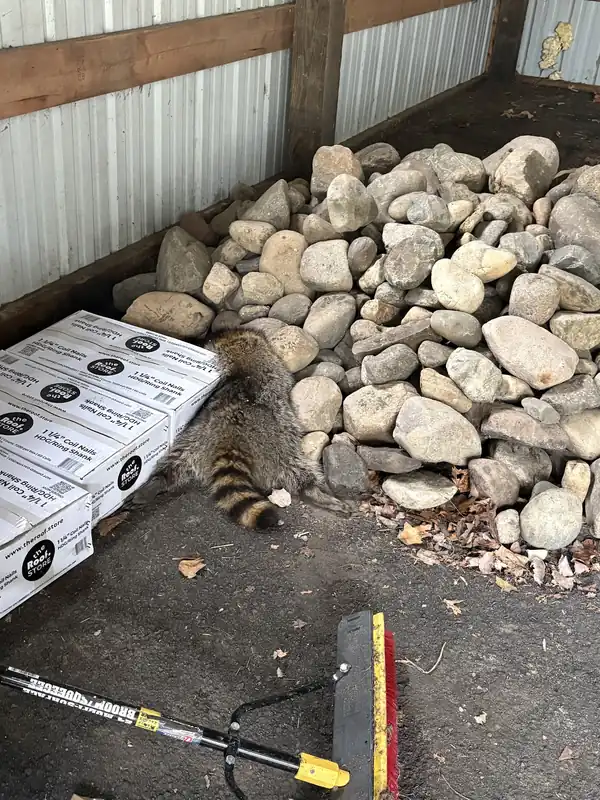
The first cool week of October is when the phone at the Bayville office starts to fill with the same call: something is scratching in the wall at night. Mice do not move in because a house is dirty. They move in because outside is getting cold, seeds and insects are disappearing from the yard, and a warm house at the Shore looks like a good place to spend the winter. A mouse can squeeze through an opening about as wide as a pencil, so a house that feels tight to you can still have a dozen open doors.
Where mice get into Jersey Shore houses
Almost every entry point is a place where one material meets another. Builders leave small gaps, and years of weather and settling open more. Resolve technicians check the same spots on house after house.
- Sill gaps, where the wood framing sits on the foundation and a settled or uneven sill leaves a seam along the bottom of the wall
- Pipe and cable penetrations, where plumbing, gas lines, dryer vents, air conditioner lines and wires pass through the wall with a loose collar or none at all
- Crawl spaces, especially vents with torn screens, missing access doors and open gaps around the floor joists
- Garages, where door seals wear thin at the corners and the shared wall with the house often has gaps along the bottom plate
- Rooflines and eaves, where a branch, a gutter or a climbing vine gives mice a ramp to soffit vents and loose trim
Coastal houses add a few twists of their own. Many Ocean and Monmouth County homes sit on crawl spaces or raised foundations, and wind-driven rain and salt air wear at vent screens and trim. Add a neighbor's bird feeder or a shed with pet food in it, and the mice are already close by when the weather turns.
Signs that mice are already inside
Droppings are the clearest sign: dark pellets about the size of a grain of rice along baseboards, inside drawers, under the sink and behind the stove. The other signs are easy to miss until you know what to look for.
- Scratching or scurrying in walls and ceilings, loudest in the first hours after dark
- Gnaw marks on food packaging, wiring or wood trim
- Greasy rub marks along walls where mice run the same path night after night
- A stale, musky smell in cabinets, closets or the attic
- Shredded insulation, paper or fabric gathered into a nest in a quiet corner
If you find droppings, wear gloves and a dust mask, and wipe them up with a damp cloth rather than sweeping or vacuuming them dry. Dry droppings and urine can put particles in the air. Seeing a mouse in daylight often means the population is larger than a single animal, since mice prefer to move when a house is quiet.
Why traps alone never finish the job
Traps and bait stations catch the mice that are in the house today. They do nothing about the opening that let them in, and a fall mouse population gets replaced from the yard, the woods and the neighbors' garages. A house with a dozen gaps and a handful of traps is a conveyor belt: you catch a few, and more arrive. Mice breed quickly, so a small problem in October can be a crowded wall by January.
Exclusion changes the equation. Sealing a gap with the right material stops the next mouse as well as this one. The material matters, because mice chew through foam and soft caulk. Gaps are usually closed with steel wool, hardware cloth, metal flashing or a cement-based patch, with sealant over the top. On a two-story house with a crawl space and an attached garage that is real work, and it needs someone who knows where to look first.
What a good rodent inspection shows you
The most useful part of an inspection is not where the traps go. It is finding the entry points and showing them to you. Linda Chadwick, a Google reviewer, wrote that the Resolve inspector identified numerous entry points where mice were getting in, and she added: “To see the problems visually helps.” Resolve inspections photograph the entry points, so you can see the gap along the garage wall or the open collar around a pipe on your own screen, instead of taking anyone's word for it.
With photos in hand you can decide what to seal yourself, what to hand to a contractor and what to hand to Resolve. It also gives you a record to check against after the work is done.
What to do this week
Walk the outside of the house with a flashlight and look at the bottom foot of every wall. Trim branches that touch the roof, move firewood away from the foundation, store pet food and birdseed in sealed bins, and make sure the garage door closes flush with the floor. Inside, move dry food into hard containers, fix slow drips, and keep clutter off the basement floor where mice like to hide. None of this replaces an inspection, but it takes away the easy reasons for mice to stay.
If you can already hear them, call Resolve Pest Management at (732) 527-5770 or visit the office at 792 Atlantic City Blvd in Bayville. The quote is free and carries no obligation, and a family owned team that answers around the clock can usually find you a spot on the schedule quickly.
Resolve Pest Management, (732) 527-5770
Call (732) 527-5770More articles
Buying or Selling a Home in Ocean or Monmouth County: What a Termite Inspection and WDI Report Cover
The WDI report has an intimidating name, but it answers one plain question: are wood destroying insects active in this house today?
Nests Under the Eaves: Telling Paper Wasps, Yellowjackets and Bald-Faced Hornets Apart
The nest tells you what lives in it, and what lives in it decides how worried you should be.