Buying or Selling a Home in Ocean or Monmouth County: What a Termite Inspection and WDI Report Cover
The WDI report has an intimidating name, but it answers one plain question: are wood destroying insects active in this house today?
October 20, 2026 · 4 min read
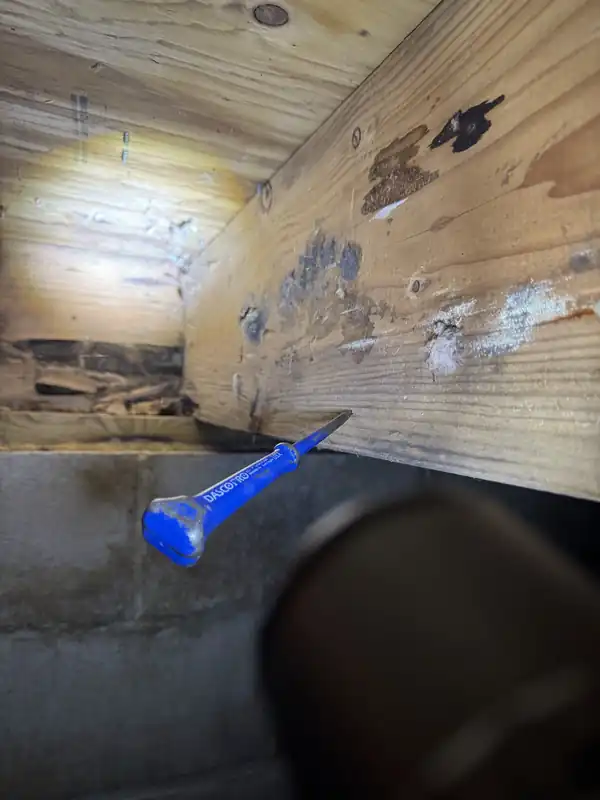
If you are buying or selling a house in Ocean or Monmouth County, someone will probably ask for a termite inspection before closing. The paperwork has a name that sounds heavier than it is: the Wood Destroying Insect Information Report, usually called a WDI report or an NPMA-33 after the form number. Resolve Pest Management, based at 792 Atlantic City Blvd in Bayville, writes these reports for Shore homes, and the same questions come up on nearly every call. This guide answers them in plain terms so nothing about the report surprises you at the closing table.
What the WDI report actually is
The NPMA-33 is a standard form that records what a licensed inspector found, or did not find, in the visible and accessible parts of a house on the day of the inspection. It covers wood destroying insects, which means subterranean termites first of all, along with carpenter ants, carpenter bees and wood boring beetles. The report notes live insects, dead insects, damage, and signs such as mud tubes or shed wings. It also notes whether there is visible evidence of an earlier treatment. A lender, a buyer's attorney or a real estate agent may ask for it, so treat it as a closing document rather than an optional extra.
It is a snapshot, not a prediction. The report cannot see inside walls that are closed up, and it will say so where an area could not be reached. That note is not a failure on anyone's part. It is simply honest, and a buyer should know it is there.
Where the inspector looks
A termite inspection follows the wood. The inspector works through the basement or crawl space, the sill plates where the framing meets the foundation, the garage, the attic, window and door frames, porches, steps and any deck attached to the house. Outside, the grade line matters: soil piled against siding, mulch packed against the foundation and wood that touches the ground all give termites a way in without being seen. Moisture is a big clue, because damp wood invites both termites and carpenter ants.
On the Shore, crawl spaces and low-clearance additions are where reports tend to get complicated. A finished basement with wall paneling hides the very area the form asks about. The more of the structure the inspector can see, the more the report can say.
- Mud tubes on foundation walls, piers and sill plates, the pencil-width tunnels subterranean termites build to travel between soil and wood
- Wood that sounds hollow when tapped, or that looks layered and blistered along the grain
- Shed wings near windowsills and door frames, left behind by swarmers
- Frass, the tiny pellets that carpenter ants and some beetles push out of their galleries
- Soft or stained wood near leaks, downspouts and plumbing, where moisture has been feeding a problem
- Signs of earlier treatment, such as drill holes in a slab or old bait stations
Who orders the report, and when?
In most sales the buyer, or the buyer's lender, orders the report during the inspection period. Sellers increasingly order one before they list. A seller who holds the report answers the question before it can be asked, and if something turns up there is time to treat it and negotiate from facts instead of a scramble. Real estate agents and closing attorneys call Resolve for this, and homeowners do too. Either way you can reach the office at (732) 527-5770 to schedule.
What it costs and how fast it arrives
A Termite Inspection and WDI Report from Resolve starts at $125 plus tax. The completed report is emailed to you within 48 hours. Closings do not always leave 48 hours, so a rush is available when the date is tight. Mention the closing date when you call and the office can plan around it. The price covers the inspection and the written report, with no obligation attached to anything else.
What happens if termites are found?
A finding on a WDI report does not have to sink a sale. If the inspector finds termites, Resolve can quote the treatment on the spot, so the buyer, the seller and both agents see a real number and a real plan before the next negotiation call. Treatment for subterranean termites usually means bait stations or a liquid barrier around the foundation, and the right choice depends on the house. Resolve's termite program uses Trelona bait stations, and your inspector can explain how they would be placed on your property.
Old damage is a separate question from active termites. Damage from years ago can be repaired by a carpenter, and the report simply documents it. What most buyers want to know is whether the insects are still there, and that is the question the inspection is built to answer.
Getting ready for the visit
A few small things speed the inspection up. Clear a path to the basement door, the crawl space hatch and the attic access. Move stored boxes off foundation walls where you can. Leave the garage reachable. If the house has been treated before, find the paperwork, because a treatment record or a transferable warranty helps the inspector read what they see. If you are a seller and the buyer's other inspections are already booked, tell the office the dates so the visit can fit around them.
Resolve is licensed and insured in New Jersey, family owned and open around the clock, which counts when a closing deadline moves at nine at night. Call (732) 527-5770 or stop by the Bayville office, and ask for a termite inspection and WDI report with the date you need it by.
Resolve Pest Management, (732) 527-5770
Call (732) 527-5770More articles
Mice in the Fall: How They Get Into Jersey Shore Houses and Why Sealing Beats Trapping
Every fall, mice look for a warm place to winter, and the openings they use are smaller than most homeowners imagine.
Nests Under the Eaves: Telling Paper Wasps, Yellowjackets and Bald-Faced Hornets Apart
The nest tells you what lives in it, and what lives in it decides how worried you should be.