Finding · House and field crickets
Crickets chirping inside the wall
A chirp that stops when you walk in and starts again when you leave. We stop crickets at the foundation, the door sweeps and the lights.
Chapter 01
The chirp that moves when you do
In Lavallette and Wall Township the sound arrives at night: a single cricket that goes quiet the moment you enter the room and starts again when you leave. Males sing to attract females, which means a female is nearby and eggs may soon follow. A cricket in a bedroom wall can be maddening, and the quiet you get from searching is usually temporary.
Field crickets, black and heavy, come inside in late summer and early fall, drawn by lights and cooling nights. House crickets, tan and slimmer, prefer warm indoor corners behind the water heater or the furnace. Look for chewed fabric, notches in paper and small droppings. They will chew wool, cotton and synthetic fibers alike.
In coastal towns the pattern follows the weather. A dry stretch pushes crickets toward watered lawns and the damp foundation edge, and the first cold snap sends them through any gap that leads to warmth. If the chirp starts the same week as a cold front, the cricket came in from outside and did not hatch in your wall.
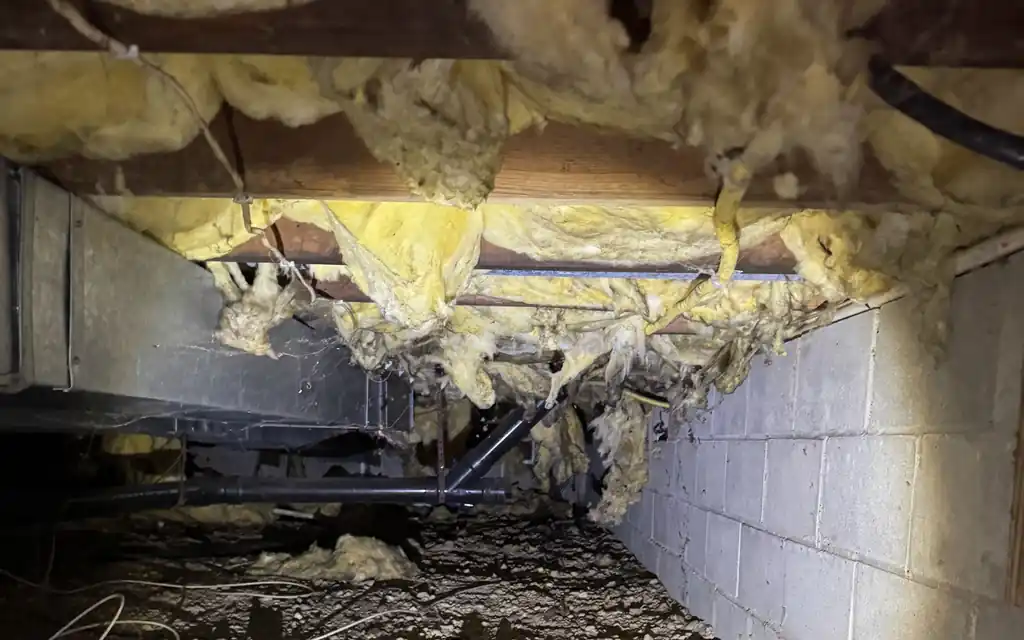
Crawl space with insulation pulled down from the joists and a block wall
Closing the doors they walk through
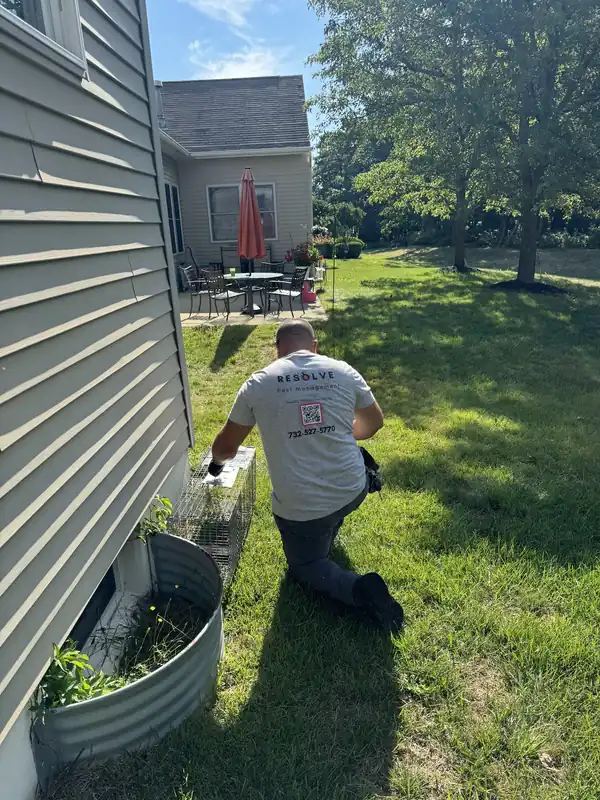
Crickets mostly walk in. We check door sweeps, garage door seals, gaps under siding, window frames and utility lines, along with the outdoor lighting that draws them toward the house in the first place. Entry points are photographed so you can fix the ones that are yours to fix, and we point out which gaps are worth a bead of caulk this weekend.
Treatment targets the foundation line and the interior spots where they hide: baseboard gaps, laundry areas, the space behind the furnace. We also look at the yard, where tall grass, wood piles and leaf litter give them a home next door to yours, and where a single porch light can pull hundreds toward the front door on a warm evening.
Throughout, we keep family and pets in mind, and homes that want to begin with naturally derived products can ask for the Organic Pest Program. A cricket living deep inside a wall is the hardest case, and we will tell you honestly if it needs a second visit. Patience matters here, since the last singer sometimes outlasts the treatment by several days before the wall goes silent.
Chapter 03
Quiet nights and the late-summer return
Most homes go quiet within days of the work, although a lone cricket deep in a wall can chirp a little longer. Late summer is the period to watch, as the yard population peaks and looks for a warm place to spend the cool nights. Switching to warm bulbs outside, and keeping door sweeps in good shape, helps hold the line.
If chirping continues, call (732) 527-5770. If the chirp is still there, the satisfaction guarantee brings us back at no extra cost, and a second look at the door gaps and the porch lights is part of the visit. Crickets will follow a bright door every September, so the work is more about habit than a one-time fix.
Family & pet-conscious treatments · Licensed & insured · NJ LIC# 91689B
CROSS-REFERENCE · NJ LIC# 91689B