Raccoons, Squirrels, Skunks and Groundhogs: Wildlife in Your Attic, Shed or Under the Deck
Wildlife near the house is normal. Wildlife inside the house, shed or deck is a problem that gets worse the longer it goes.
October 20, 2026 · 4 min read
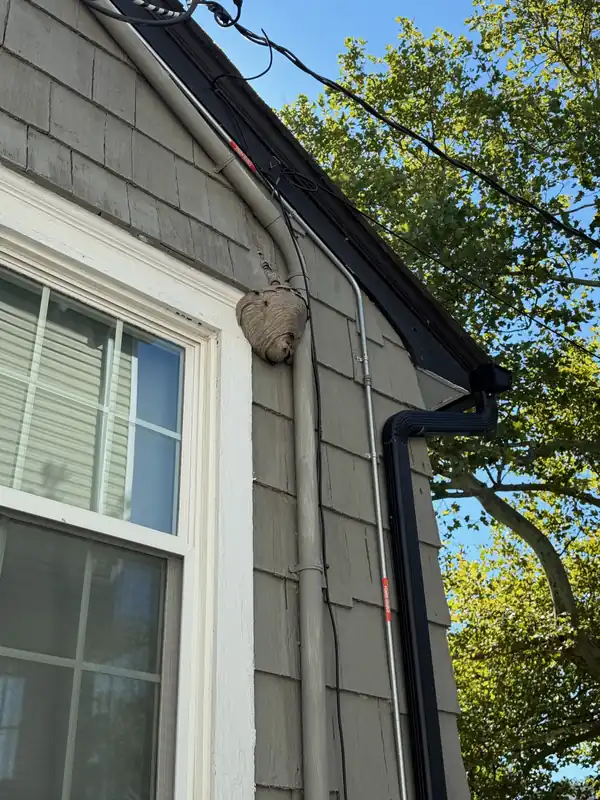
Shore towns have a lot of wildlife, and a lot of it likes what houses offer: dry space, shelter from wind off the water, and an easy meal from a trash can or a bag of birdseed. As nights get colder, raccoons, squirrels, skunks and groundhogs start looking for a place to rest, den or nest. A shed, an attic and the dark space under a deck all fit the job. Resolve Pest Management, out of its Bayville office, hears from homeowners all fall who have noticed noises, smells or damage and are not sure what is causing them.
Who is living there? Reading the signs
Each animal leaves its own signature. Knowing the difference helps you describe the problem on the phone and keeps you from guessing at a fix.
- Raccoons: heavy thumping and shifting in the attic or chimney at dusk and overnight, torn soffits and vents, overturned trash cans and flattened insulation
- Squirrels: scratching and rolling sounds in the early morning and late afternoon, chewed wood trim, gnawed holes in fascia and vents, and nests of leaves in the roofline
- Skunks: a strong musky odor around a deck, porch or shed, small cone-shaped holes in the lawn where they dig for grubs, and a den hole under the structure
- Groundhogs: a large open burrow entrance with a fan of fresh dirt, often beside a shed foundation or under a deck, plus nibbled garden plants nearby
Why these animals pick houses
They are not trying to cause trouble. A shed floor is a ready-made den. An attic is warm, dark and dry, with insulation they can nest in. The space under a deck is protected from weather and hidden from view, and a groundhog with an open hole under one side of a deck will happily dig a second. In spring the reason is often a litter of young, but fall is about winter shelter and the wish to keep warm.
The trouble is what follows. Raccoons and squirrels pull insulation apart, chew on wiring and soil the space with droppings and urine. Skunks leave their odor in the structure. Groundhogs dig under footings and sheds and can undermine a slab or a set of steps over time. The longer an animal stays, the more there is to clean and repair.
Why live trapping and sealing go together
Many homeowners ask first about a trap, and a trap does have its place. The catch is that a trap on its own solves one animal and leaves the opening. Another animal, drawn by the same shelter and scent, arrives within weeks. Resolve works on both halves: a live trap to remove the animal, then sealing the opening so the space is closed to the next one.
The order matters. Sealing a hole while an animal is still inside traps it in the house, where it will tear at the walls to get out or die in the wall. In spring, it can leave young behind. A technician makes sure the space is empty before closing it, often with a one-way exit that lets an animal leave and not return. The patch should be hardware cloth, metal flashing or similar material that a raccoon or squirrel cannot chew or pull apart. A bit of foam or a board nailed over a hole will not last a week.
Staying safe until help arrives
Raccoons, skunks and groundhogs are all mammals that can carry rabies and other disease, and a cornered animal will defend itself. A few rules apply to any of them.
- Do not try to corner, grab or chase an animal out, and keep children and pets away from the area
- Treat any animal that is out in daylight and acting oddly, or shows no fear of people, as a reason to call right away and keep your distance
- Wear gloves and a mask around droppings, and do not sweep them dry, because raccoon droppings can carry parasites
- Do not block a hole yourself until you know the space is empty
- If you or a pet has been bitten or scratched, wash the wound well and call a doctor or veterinarian first
Making the property less welcome
After the animal is gone, a few habits keep the next one away. Use trash cans with locking lids and bring pet food indoors at night. Pick up fallen fruit and bird seed under feeders, which draws raccoons and squirrels and the rodents that skunks follow. Trim branches that bridge to the roof. Close the lattice or skirting around decks and sheds, and bury the bottom edge of fencing or mesh a short way into the soil so a groundhog or skunk cannot dig under. Cap the chimney with a proper screen.
These steps help, but they will not remove a determined animal that has already settled in. An inspection shows where the animal came in, how it moved through the space, and what damage it left, and that is the information a repair needs.
When to call
Call when you hear it, smell it or see an opening, not when the attic insulation is soaked. Resolve Pest Management is licensed and insured in New Jersey, family owned, and open 24 hours a day, seven days a week, at (732) 527-5770. The Bayville office serves homeowners across Ocean, Monmouth and Burlington Counties. Tell the office what you are seeing and hearing, and where. The quote is free, and the treatments are family and pet-conscious.
Resolve Pest Management, (732) 527-5770
Call (732) 527-5770More articles
Buying or Selling a Home in Ocean or Monmouth County: What a Termite Inspection and WDI Report Cover
The WDI report has an intimidating name, but it answers one plain question: are wood destroying insects active in this house today?
Mice in the Fall: How They Get Into Jersey Shore Houses and Why Sealing Beats Trapping
Every fall, mice look for a warm place to winter, and the openings they use are smaller than most homeowners imagine.